
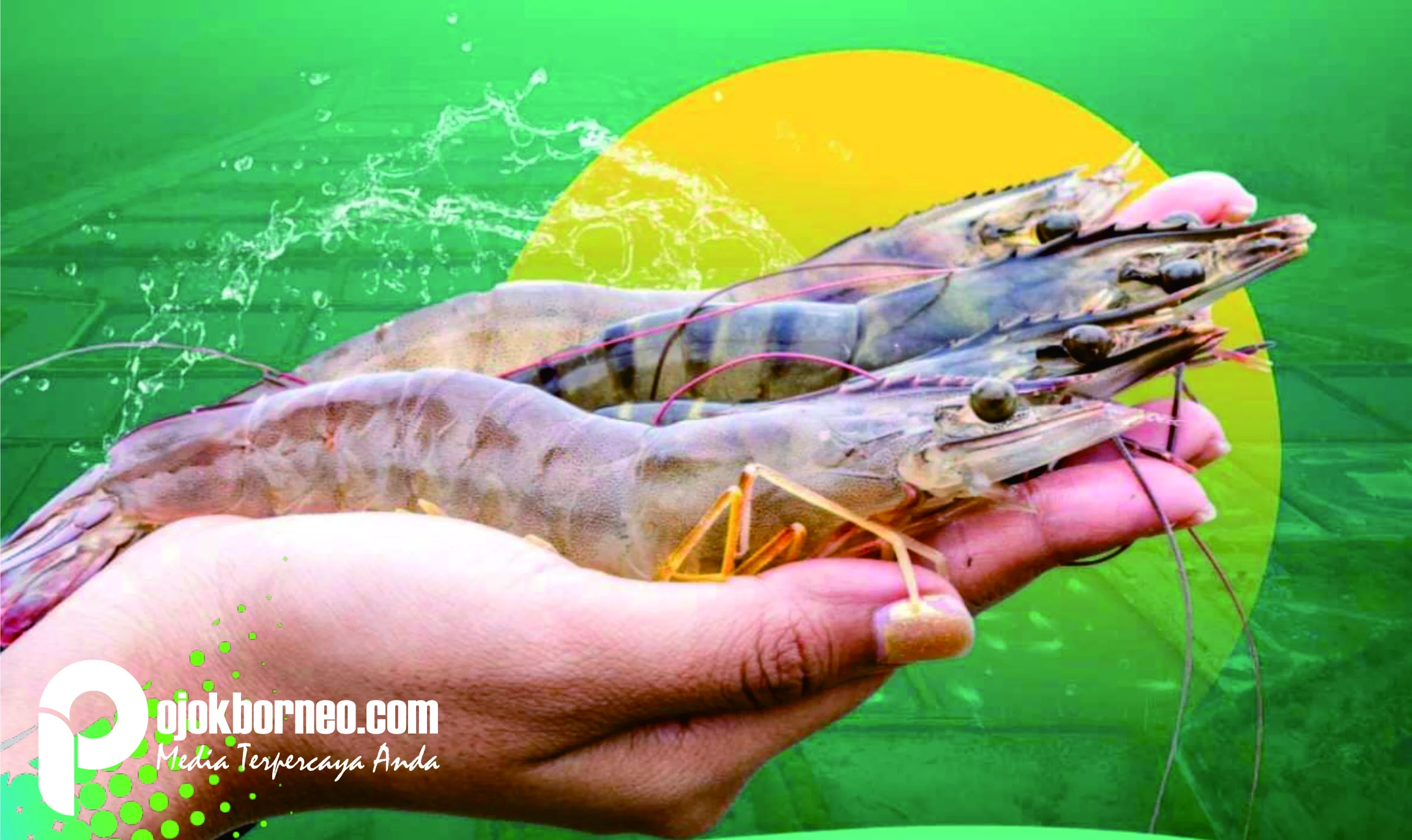
“The Secure system is an initiative to restore the mangrove ecosystem and increase the production of traditional ponds with a 20:80 percent pattern,” said Maulidiyah
| Edited by : Anang Ma

TANJUNG REDEB – The Berau Regency Administration in East Kalimantan is advancing a strategic blue economy approach to shrimp aquaculture by dramatically reducing cultivation areas to restore mangrove ecosystems.
The innovative method, known as the Shrimp Carbon Aquaculture (Secure) system, allocates more than 80 percent of coastal land back to nature while concentrating sustainable shrimp farming on the remaining 20 percent.
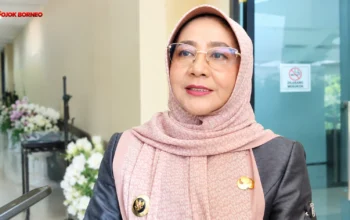
This bold shift aims to strengthen regional economic growth and food security through responsible environmental stewardship. Maulidiyah, an Assistant III at the Berau Regency Regional Secretariat, explained the initiative’s principles in Redeb Cape on Monday, December 15, 2025.
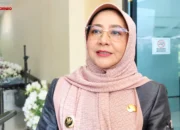
“The Secure system is an initiative to restore the mangrove ecosystem and increase the production of traditional ponds with a 20:80 percent pattern,” said Maulidiyah.
By 2025, the program has already gained traction, involving 22 shrimp farms across five villages in Berau. A total of 228 hectares are being managed under the Secure approach, alongside 87 hectares designated for mangrove restoration.
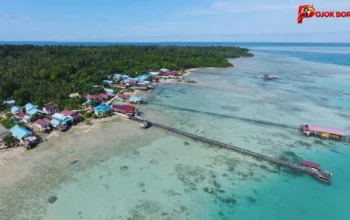
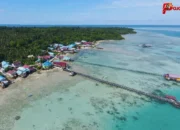
Berau Regency, spanning 36,900 square kilometers and including 15,000 square kilometers of marine area, holds significant coastal potential.
Maulidiyah emphasized that the fisheries sub-sector, including capture fisheries, aquaculture, and processing, contributes significantly to local economic growth, job creation, and food resilience.
“However, this potential will only be sustainable if managed wisely through responsible fisheries governance, adequate infrastructure, and technological support,” she cautioned (*).